
During the Autumn semester of 2026 I will continue to host the NJU Paleontology/Evolution Book Club. Like most book clubs this one is organized around a particular book. All participants read one chapter at a time and then gather at biweekly (every two weeks) meetings to listen to a presentation of the chapter and participate in a discussion of its contents. The current book we’re reading is …
Uller, T., and K. N. Laland. 2019: Evolutionary causation: biological and philosophical reflections. in Vienna Series in Theoretical Biology. the MIT press, Cambridge (Mass.), 360 p.
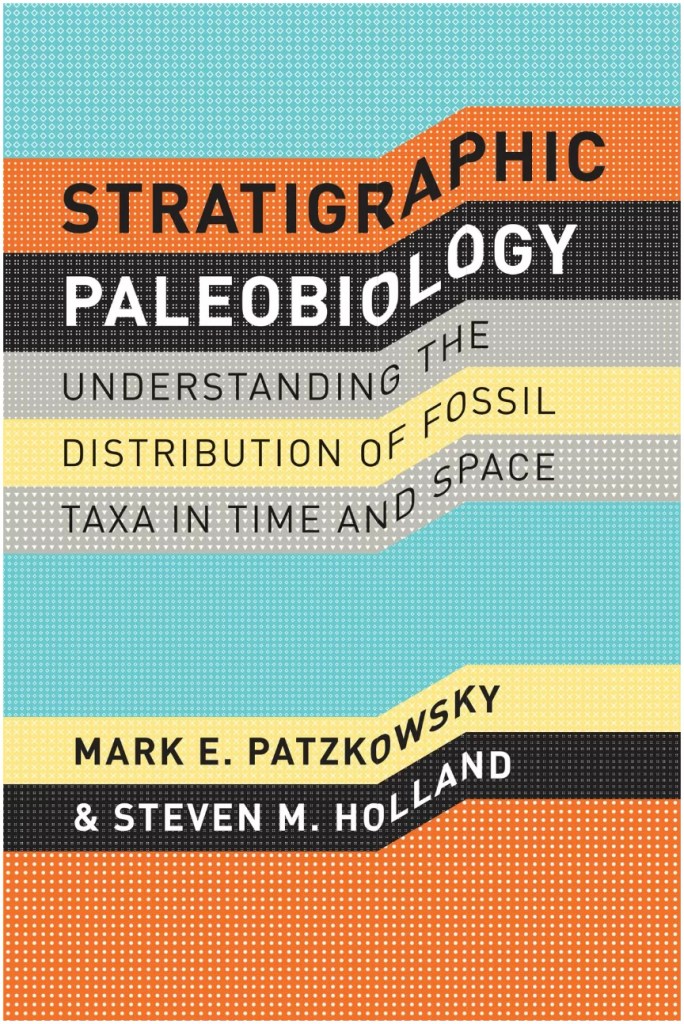
… which presents a critical framework for assessing the fossil record, one based on a modern understanding of the principles of sediment accumulation. Patzkowsky and Holland argue that the distribution of fossil taxa in time and space is controlled not only by processes of ecology, evolution, and environmental change, but also by the stratigraphic processes that govern where and when sediment that might contain fossils is deposited and preserved. The authors explore the exciting possibilities of stratigraphic paleobiology, and along the way demonstrate its great potential to answer some of the most critical questions about the history of life: How and why do environmental niches change over time? What is the tempo and mode of evolutionary change and what processes drive this change? How has the diversity of life changed through time, and what processes control this change? And, finally, what is the tempo and mode of change in ecosystems over time?Whether the fossil record should be read at face value or whether it presents a distorted view of the history of life is an argument seemingly as old as many fossils themselves. In the late 1700s, Georges Cuvier argued for a literal interpretation, but in the early 1800s, Charles Lyell’s gradualist view of the earth’s history required a more nuanced interpretation of that same record. To this day, the tension between literal and interpretive readings lies at the heart of paleontological research, influencing the way scientists view extinction patterns and their causes, ecosystem persistence and turnover, and the pattern of morphologic change and mode of speciation.
Future book-club books will be decided by vote among book-club participants. So, if you’re interested in any aspect of natural history, want to improve your understanding of that topic through discussion with like-minded colleagues, and have a few hours every two weeks to spare, please consider joining us.
The bookclub meets every other Wednesday evening at 18:30 (China time) in room A351 of the Zhu Gongshan Building, Nanjing University. Online participaNTS Are welcome in case you don’t happen to be in Nanjing for the meeting. For the NJU Autumn semester the NH Book Club will commence on 10 September. We hope to see you there.
With kind regards.
Norman MacLeod
Organizer: NJU Natural History Book Club
Professor, School of Earth Sciences and Engineering
Zhu Gongshan Building, Room 464
Nanjing University
163 Xianlin Avenue
Nanjing, Jiangsu 210023
China
Phone: +86 198 5280 0990
E-Mail: NMacLeod@nju.edu.cn
Supplementary Materials
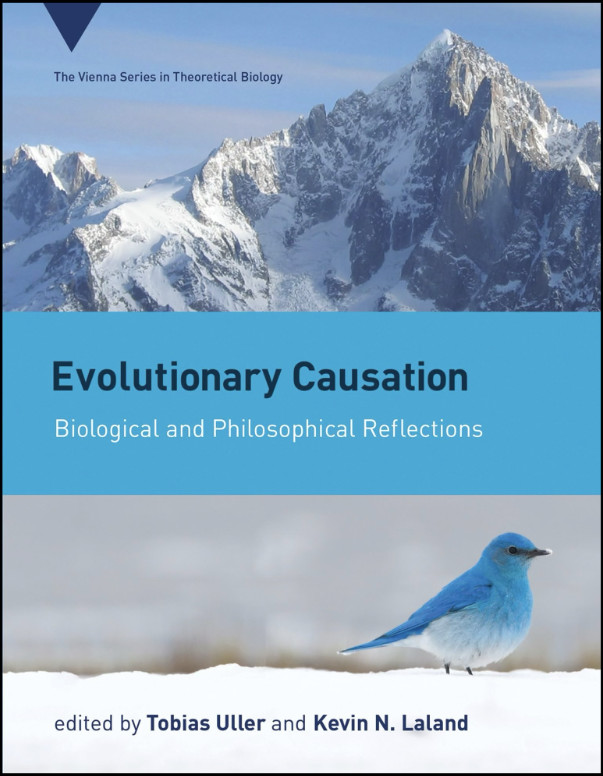
Uller, T., and K. N. Laland. 2019: Evolutionary causation: biological and philosophical reflections. in Vienna Series in Theoretical Biology. the MIT press, Cambridge (Mass.), 360 p.
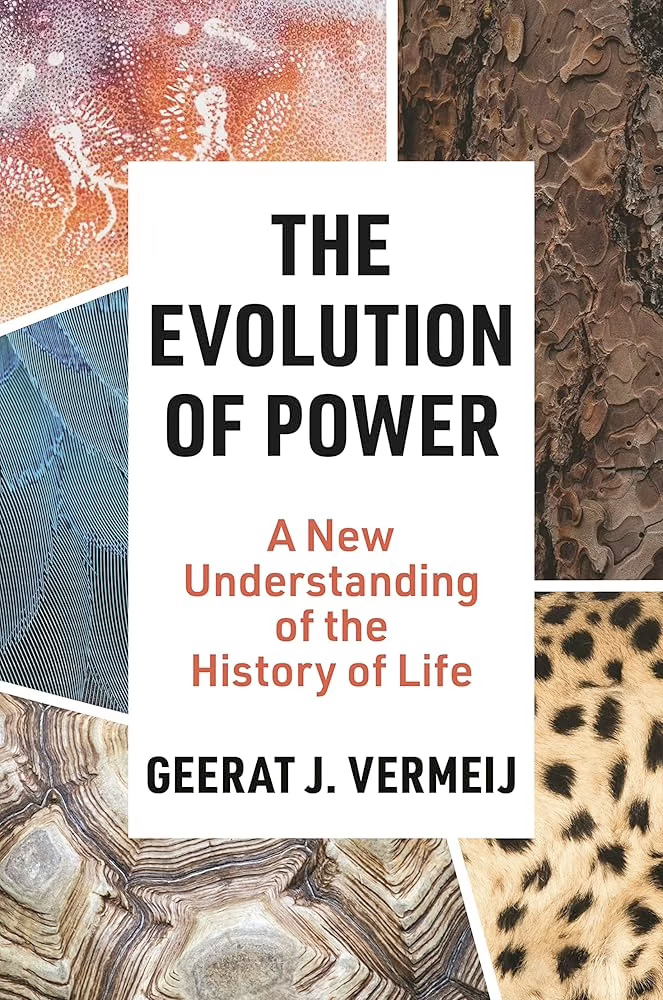
Vermeij, G. J. 2024: The evolution of power: a new understanding of the history of life. Princeton University Press, Princeton, USA, 264 p.
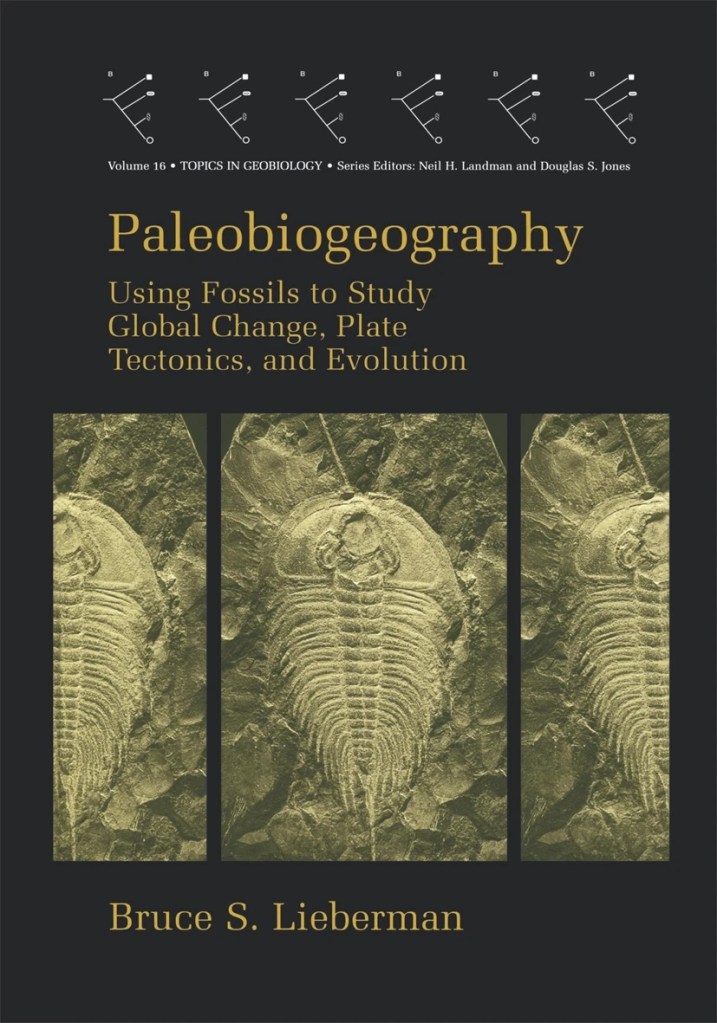
Lieberman, B. S. 1999: Paleobiogeography. in Topics in Geobiology. Kluwer Academic/Plenum Publishers, New York, 208 p.
 MacLeod NJU Courses Site